


You know exactly what you want. Here’s how to start.
I've been thinking lately about a pattern I see with almost every client who walks through our door. They know exactly what they want their home to feel like. They just can't seem to get there.
Here's what I've noticed. The people who come to us are not people who lack taste. They're usually the opposite. They've stayed in incredible hotels. They've noticed the millwork in a restaurant in Charleston, the lighting in a boutique in London, the way a home made them feel something the moment they walked in. They know what good design feels like in their bones.
And yet, their own home doesn't reflect that. Not because they don't care, but because caring isn't enough to make it happen. You can save hundreds of images, walk through showrooms on a Saturday, and still end up with a house that feels like a series of compromises you made because you ran out of time or patience.
If that's you, here's where I'd start.

Five Things That Will Actually Move You Forward
Go through every image you've ever saved and delete anything that isn't a clear yes. Then look at what's left. Write down the three materials you see most often, the overall mood, and two or three colors that keep appearing. That's your palette. Print it out, tape it to your wall, and don't buy anything that conflicts with it.
Before you shop for a single piece of furniture, get a tape measure and a notepad. Measure every room you're planning to furnish: length, width, ceiling height, window locations, how far each door swings, and where the outlets are. Then use painter's tape on the floor to map out where your sofa, tables, and chairs will actually go. If a piece doesn't fit the tape, it doesn't fit the room.
Pick your three most-used rooms and rank them. Your family room, your primary bedroom, your kitchen. Whatever gets the most daily traffic. Start there. Trying to do the whole house at once is how you end up with ten rooms that are 60% done instead of three that are finished.
Build a real timeline. A single room, from first shopping trip to final accessory placement, takes eight to twelve weeks if you're managing it yourself. That's accounting for sourcing, ordering, lead times, delivery windows, and the inevitable item that arrives damaged and needs to be reordered. A full home takes six months to a year. Write your target dates down for each room and work backward from there.
Before you buy anything, choose one anchor piece per room. A rug, a fabric, a piece of art. Something you love that sets the direction. Then make every other decision in response to that anchor. When people skip this, they end up with a room full of beautiful things that have nothing to do with each other.
It's Usually Not a Taste Problem. It's a Time Problem.
The clients we work with are decisive people. They run companies, manage teams, make high-stakes decisions before lunch. So when their home doesn't come together the way they imagined, it's disorienting. It feels like it should be simple.
But residential design at this level is a full project management effort. Hundreds of decisions, dozens of vendors, long lead times, and details that compound on each other. It's not a weekend project. It's a six-month or twelve-month undertaking that requires someone's full attention.
Working with a designer isn't admitting you can't do it. It's acknowledging that you shouldn't have to. You already have a full life. The reason your home hasn't come together isn't a failure of taste or effort. It's a math problem. There are only so many hours in a day.
What I've found is that the moment a client hands the process to someone they trust, the relief is immediate. Not because they've lost control, but because they've gained a partner who will protect their standards while they go live their life.
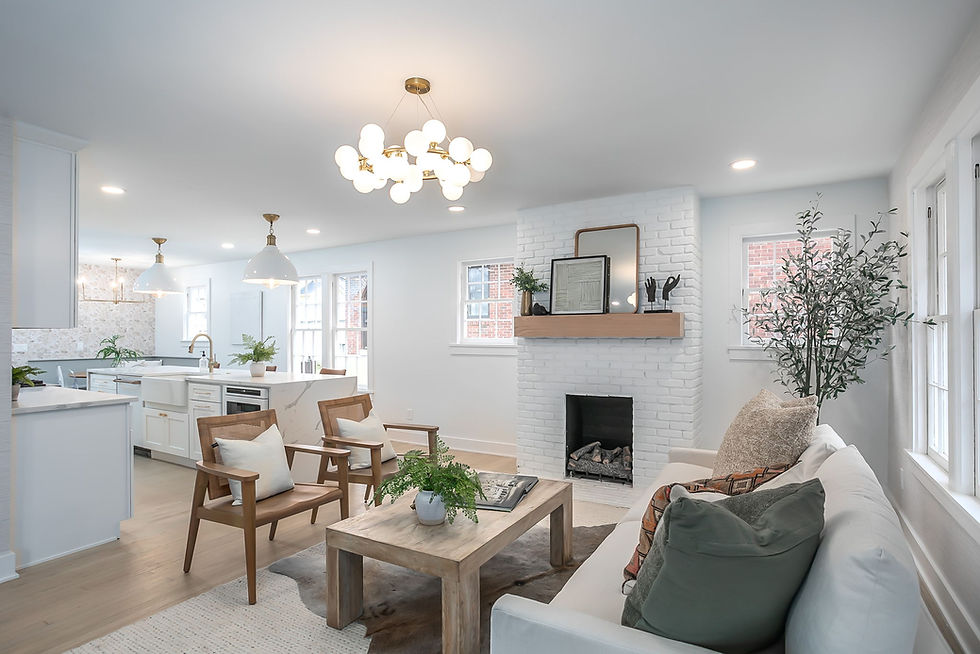
If you do all five of those things above, you'll be ahead of most people. And if you get halfway through and realize you'd rather hand it to someone who does this every day, that's not a failure. That's just clarity.
Your home should feel like you. Not like a showroom. Not like a catalog. Like the version of your life that you've built everywhere else, finally reflected in the place where you actually live.


Comments