


The Most Common Mistake I See in New Build
Why bringing a designer in early changes everything

I’ve walked through a lot of new construction homes over the years. Some feel amazing the second you step inside, even before furniture is moved in.
And some don’t, even when the finishes are beautiful and the budget is solid.
The difference is rarely about money. More often, it comes down to timing. Too many foundational design decisions are made before an interior designer is involved, and then people try to fix the feeling of the home later with finishes alone.
Here’s something I wish more homeowners knew: bringing an interior designer in before architectural plans are finalized makes an enormous difference.
Many people think design help is only needed once it’s time to select tile, paint colors, or lighting finishes. But by that point, many of the choices that shape how a home feels every day are already locked in.
Lighting placement, ceiling heights, window proportions, trim scale, built-ins, and furniture layouts all impact how a new build functions and feels, often more than any individual finish.
Below are the most common new build design mistakes I see, along with simp
MISTAKE #1: Lighting Placement Is Decided Too Late
In many new construction homes, lighting plans are reduced to a grid of recessed lights with a few decorative fixtures added later. While this technically works, it often results in a home that feels flat, harsh, or lacking warmth.
What to do instead:
Plan lighting based on how you live, not where lights are typically placed
Layer lighting with ambient, task, and accent sources in every room
Plan electrical outlets early so lamps can be used intentionally
If your lighting plan only includes recessed lights, it’s not finished yet.
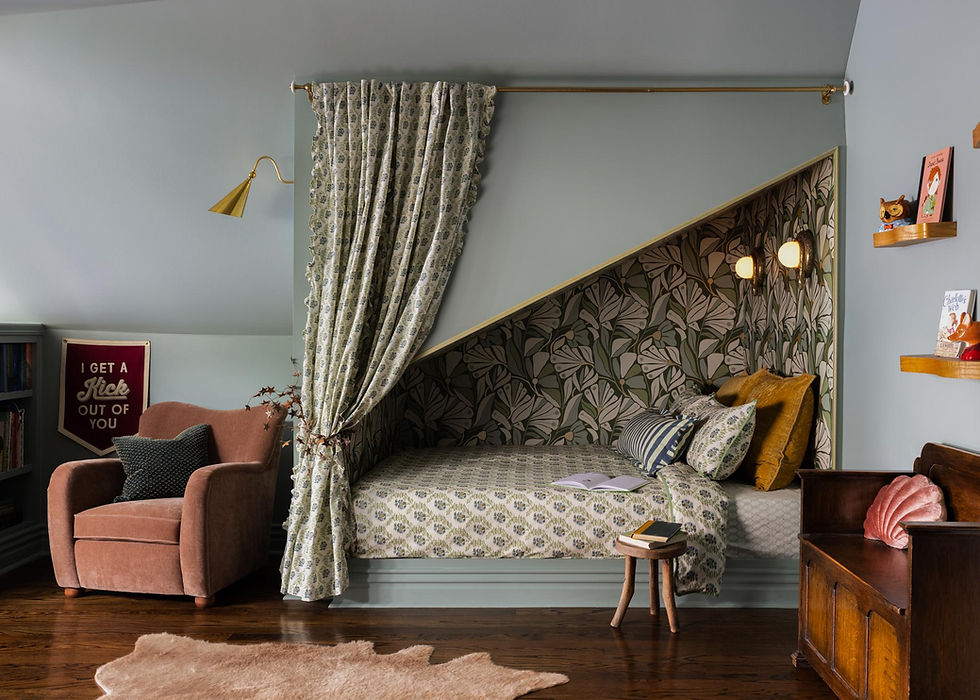
MISTAKE #2: Scale Looks Fine on Paper, But Feels Off in Real Life
A room can meet square footage requirements and still feel awkward if proportions are off. Common issues include undersized windows, oversized kitchen islands, fireplaces that feel too small, or light fixtures that don’t match ceiling height.
What to do instead:
Choose one anchor element per room and size everything around it
Mock up layouts with tape or boxes to visualize scale before building
When in doubt, oversize windows, doors, and architectural features that are hard to change later

MISTAKE #3: Ceiling Heights Are Chosen by Default
Ceiling height has a significant impact on how a space feels, yet it’s often selected based on standard specifications rather than intention.
Higher ceilings aren’t always better. Some rooms benefit from volume, while others feel more comfortable and grounded with slightly lower ceilings.
What to do instead:
Decide where you want drama and where you want intimacy
Avoid random ceiling height changes and make transitions intentional
Select lighting fixtures that are properly scaled to ceiling height

MISTAKE #4: Trim and Architectural Details Are an Afterthought
Trim is one of the most overlooked elements in new build design. When it’s underscaled or inconsistent, even a high-end home can feel unfinished.
What to do instead:
Scale trim details to ceiling height and door proportions
Select a trim package early and use it consistently throughout the home
Consider taller doors when possible to enhance architectural presence

Final Advice for New Builds
If you’re building or renovating a home, the most important design decisions happen earlier than most people expect.
Before plans are finalized:
Walk through the home mentally at night and evaluate lighting needs
Tape out major furniture layouts to test scale
Make intentional choices about ceiling heights and trim
And if you can, bring a designer into the process before construction drawings are complete. The finishes matter, but the bones matter more. When the structure is right, everything else falls into place much more easily.


Comments